Miami Could Have 200 “Deadly Heat” Days Every Year by 2100

Some of Miami’s business and political elite have argued that because it might be impossible to stop the effects of climate change, we should let the city flood, capitalize on it, and perhaps become a 21st-century Venice. Vanity Fair has reported that some Miami high-rises are now being built with “washout floors” designed to take consistent flooding.

South Miami Mayor Blames FPL for Robocalls Against New Solar Panel Plan

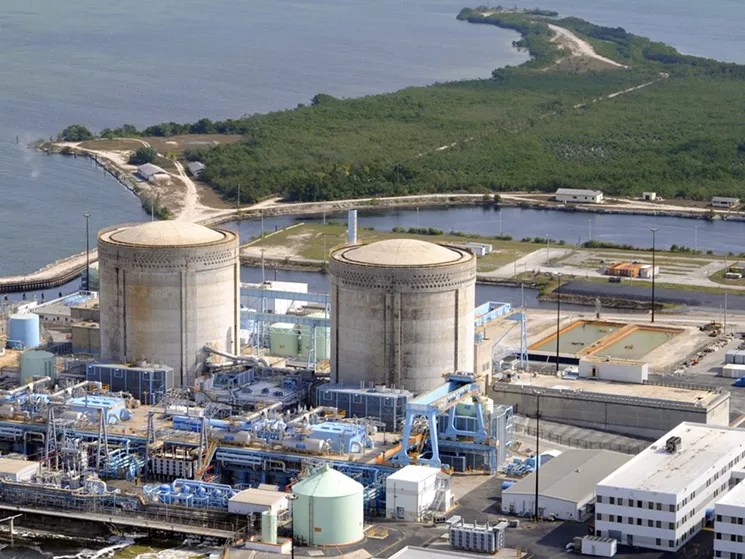
A small town in Miami-Dade County — South Miami: population 12,000 — wants to become the first in Florida with an ordinance requiring every new residential home, building, or apartment complex to install solar panels. Residents building new homes would then pay less to Florida Power & Light, the only power company in town, which still generates more than 70 percent of its energy from fossil fuels and operates a nuclear plant that environmentalists say is polluting Miami-Dade’s drinking water.

Sabal Trail Pipeline Begins Natural Gas Service to Florida Despite Environmental Concerns

For well over a year, Florida environmentalists and water protectors have been sounding the alarm about the Sabal Trail Transmission Pipeline, a behemoth, 515-mile natural gas pipeline cutting through the state’s vulnerable wetlands and above the Floridan Aquifer, our largest source of drinking water. At least 28 protesters have been arrested for civil disobedience as they rallied against the pipeline’s construction.

Miami Wasted Thousands on Untested Pesticide That Didn’t Kill Zika Mosquitos

When the Zika virus struck last year, Miami-Dade County Mosquito Control immediately began fogging with three pesticides: BTI, a group of bacteria that kills mosquito larvae; naled, a controversial chemical compound banned in Europe over links to developmental disorders in children; and permethrin, the active ingredient in home bug-killers such as Raid. Permethrin was sprayed at least seven times in Wynwood and five times in Miami Beach, but by the end of August, the county realized the poison had little effect and stopped using it.

Mosquito Pesticide Sprayed All Over Miami Linked to Autism in Kids

Every year toward the beginning of rainy season, dense clouds of black salt marsh mosquitoes begin rising from the Everglades and coastal wetlands and descending upon Miami. For years, Miami and the Keys have fought back with a powerful tool: permethrin, a pesticide effective at killing the insects before they can make life miserable for South Florida.

Overrun by Peacocks, Miami-Dade Cities Consider Sterilization and Feeding Bans

South Miami Mayor Philip Stoddard has somewhat of a love-hate relationship with the peacocks that roam his city. On the one hand, they’re beautiful and act as a kind of traffic control as drivers slow down to gawk at them or allow them to cross the street. On the other hand, they shriek “like someone is committing an ax murder” at 4:30 in the morning, attack their reflections on shiny cars, and leave poop all over the place.

Sea-Level-Rise Warrior Philip Levine Can’t Answer Basic Paris Agreement Question

Tucker Carlson is such an insufferable little snot that he was forced to stop wearing bow ties because they made him look like the estranged son Orville Redenbacher wrote out of his will. The premise of Carlson’s poisonous cable-news TV show is to catch liberal politicians and pundits in manufactured “Gotcha!” moments that then feed the conservative clickbait blogosphere for another seven days. If you appear on his show and let him nail you, it is entirely your fault. His show is useless, and you are a mark.

The Pace of Sea-Level Rise Has Tripled Since 1990, New Study Shows

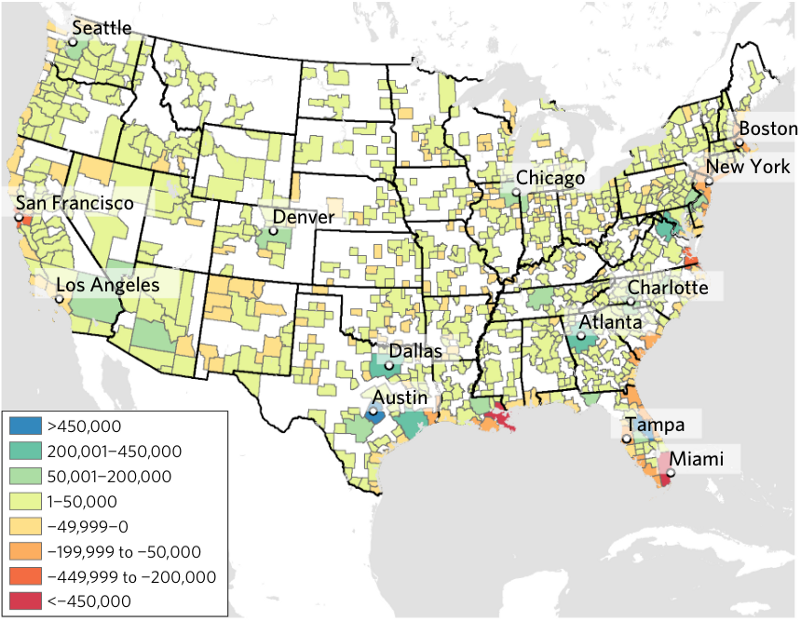
Virtually all 2.5 million Miami-Dade residents live on land that’s less than ten feet above sea level. In terms of real-estate assets vulnerable to flooding, Miami is the second most exposed city on Earth, behind only Guangzhou, China. And Miami is basically the poster child for the effects of climate change, because the city has already begun flooding on sunny days.

Aerial Naled Mosquito Spraying Returns to South Dade Tonight (but Not for Zika)

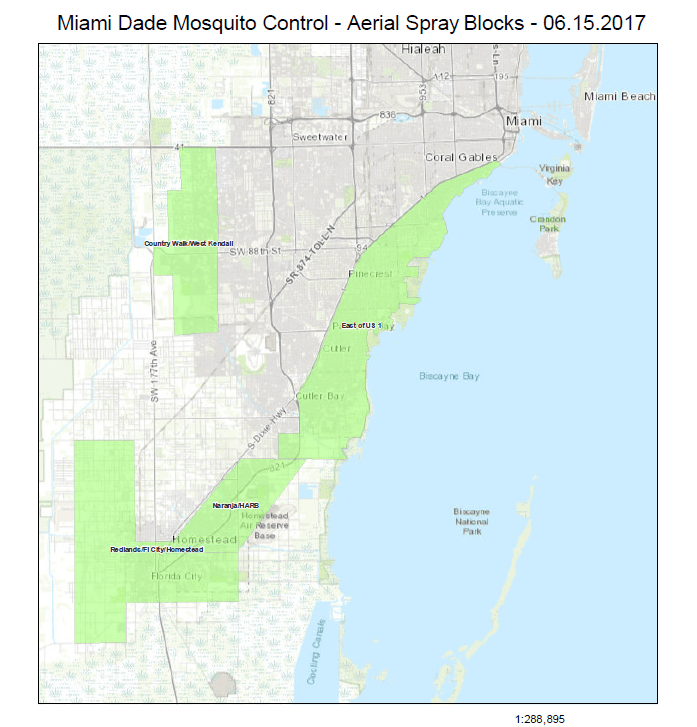
Mosquito season in Miami begins every year when the so-called black salt marsh mosquitoes, a buzzing cloud of bugs not known to carry the Zika virus or other tropical diseases, descends upon the area. The insects arrived a few weeks early this year — so, after sundown tonight, Miami-Dade County will send airplanes to blast naled, the controversial mosquito-killing pesticide, over wide portions of Homestead, the Redland, Florida City, Cutler Bay, and South Miami-Dade.

Florida’s 2017 Has Been the Hottest Year on Record

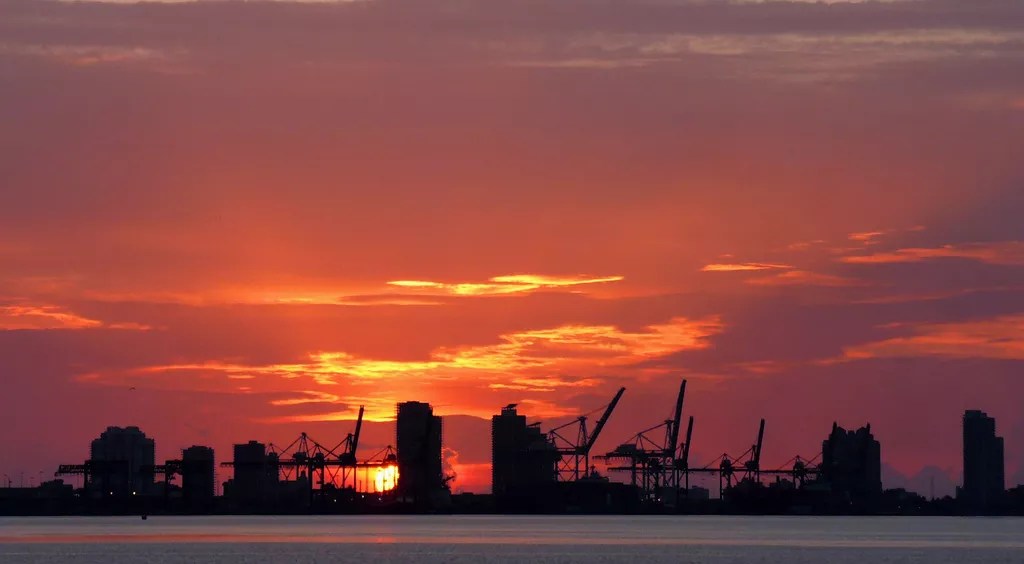
Miamians still don’t spend enough time worrying about global warming. Sure, we’ve got multiple city task forces dedicated to making sure Dade County isn’t underwater by the year 2100. But construction across town has continued to boom, to the point that it seems like real-estate developers believe they’re building in landlocked Colorado as opposed to a city that can adequately be described as “pre-Venice.”

North Miami Beach to Vote on Privatizing Its Water System Tomorrow Despite FBI Probe

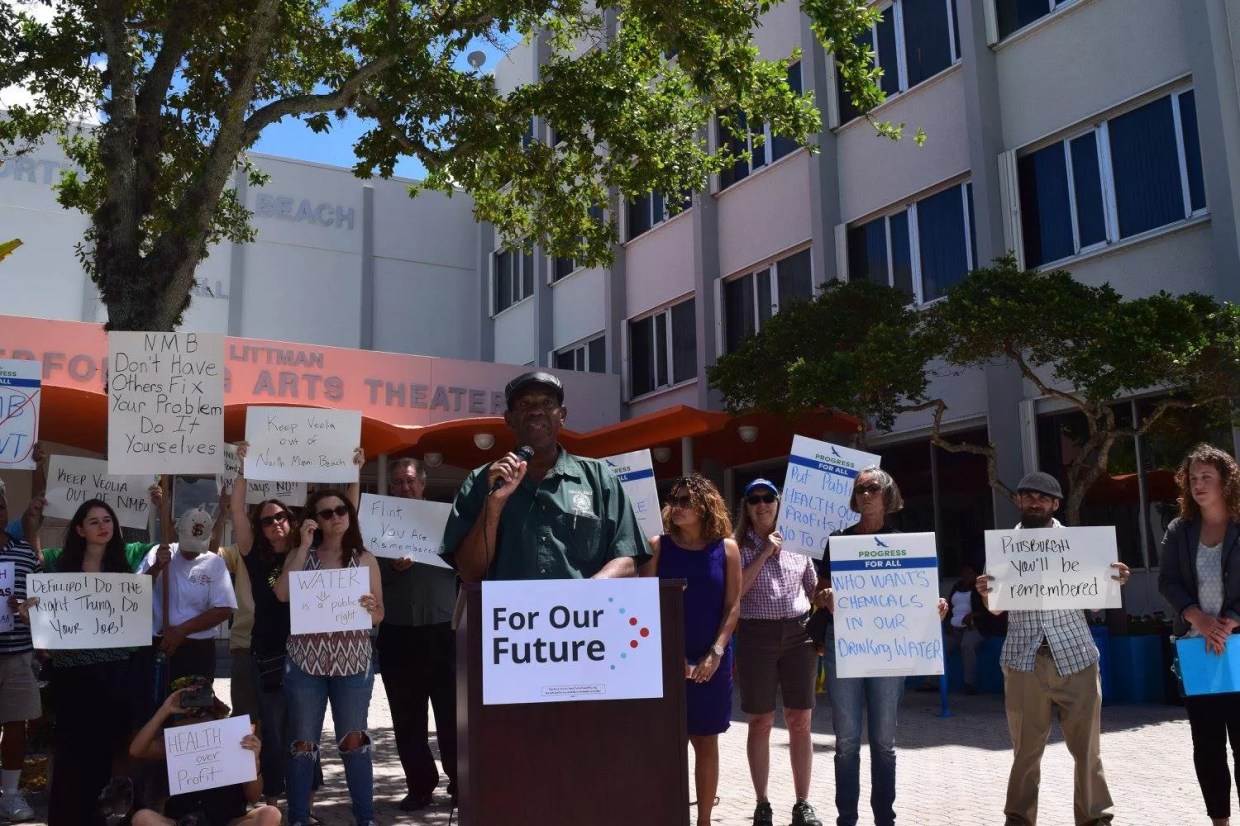
On April 3, the City of North Miami Beach began negotiating with a global engineering firm to take over the city’s water utility, which services close to 200,000 people in North Miami-Dade. Clean-water activists vehemently opposed the move, citing research that water utilities run by private companies tend to get much more expensive over time and typically provide services at “cheaper” rates by cutting staff or services.

Study Says FPL Charges Customers Millions in Lobbying Fees Every Year UPDATED

Florida Power & Light, the ultrapowerful electricity monopoly, and its parent company, NextEra Energy, spend millions lobbying in Tallahassee and Washington. And those lobbyists spend most of their time arguing against changes FPL’s customers actually want, like the right to cheap home solar panels or better clean-air regulations. Sometimes, they…

Everglades Activists Worry New Reservoir Deal Doesn’t Go Far Enough

The Comprehensive Everglades Restoration Plan — a state and federal project to restore the Glades to some semblance of its former glory — passed in 2000. That plan called for a 360,000-acre-foot reservoir south of Lake Okeechobee. But in the years since, climate scientists have warned that planners underestimated the amount of water the Glades needs to replenish itself, and that the original benchmark might not be large enough.

Miami Moves to Ban Styrofoam From City Parks and Beaches

Sure, that Styrofoam cooler is handy when it’s keeping your drinks cold. But once you’re done with it, the light-as-a-feather material doesn’t go away — it crumbles into chunks of plastic that clog waterways, threatening sea life for years to come. Mindful of the environmental ramifications, several South Florida cities have banned polystyrene products…

State Finally Passes Everglades Restoration Reservoir Bill After 20 Years of Fighting Big Sugar UPDATED

There is no more obvious symbol of the sugar industry’s stranglehold on Florida, or its waning grip on the state Legislature, than the story of the Everglades reservoir plan. The idea — to buy land south of Lake Okeechobee back from sugar growers in order to let water flow freely south to the Glades after close to a century of misdirection and mismanagement…

City of Miami Slams FPL’s Plan to Inject Nuclear Waste Below Dade’s Drinking Water

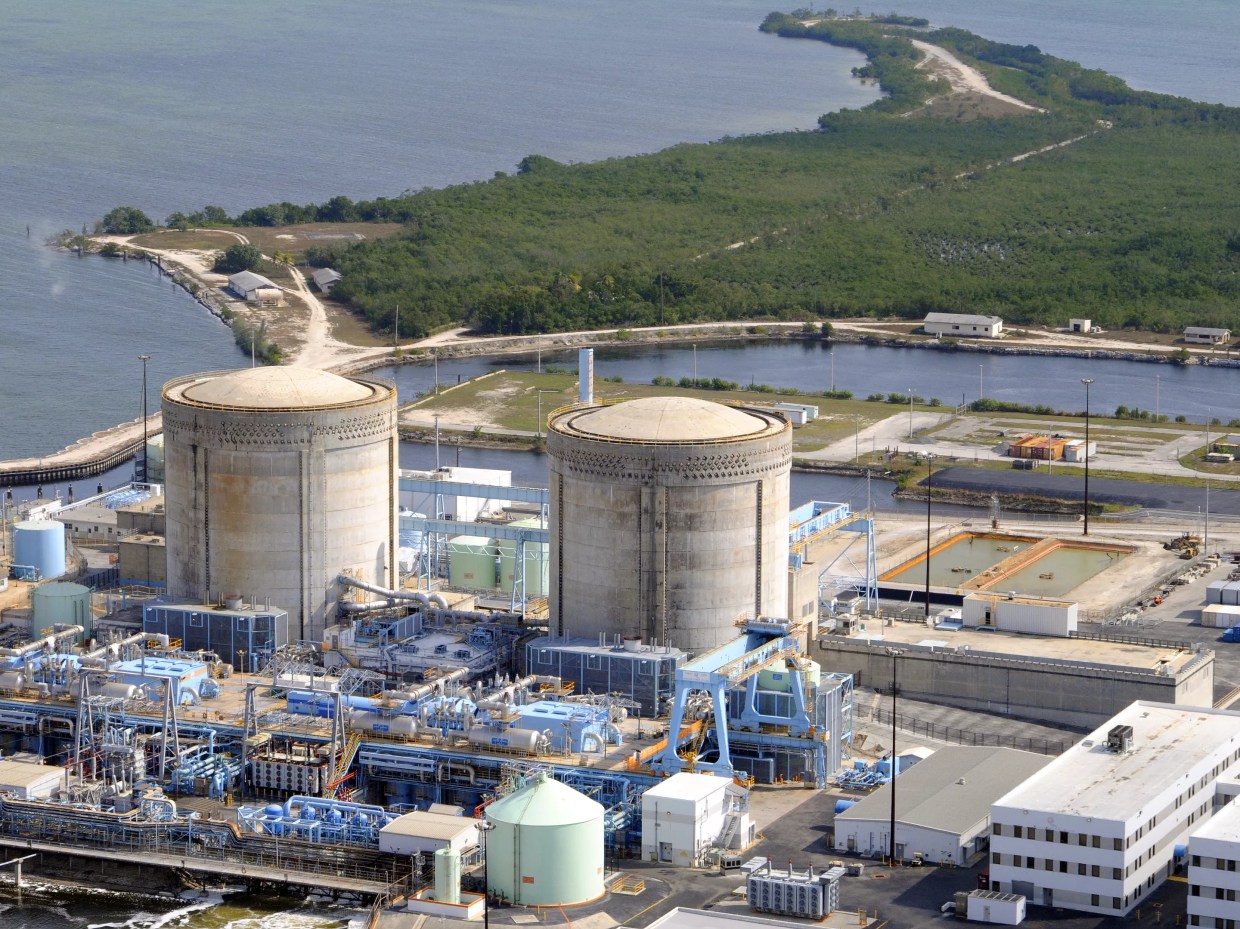
For the past seven years, Florida Power & Light has battled environmentalists over its plans to build two new reactors and inject their radioactive waste 3,000 feet underground, just below the aquifers where South Florida gets its drinking water. Environmentalists have vigorously argued that science shows the dangerous waste could leech upward into Miami’s drinking water. And yesterday, those green activists finally earned a hearing before the federal Nuclear Regulatory Commission (NRC).

The Five Scariest Climate-Change Studies Affecting Miami

It’s becoming increasingly obvious that federal officials won’t begin treating climate change like a real problem until a whole lot of people die or lose their homes. Donald Trump is trying to cripple the Environmental Protection Agency, and his latest budget asks Congress to strip funding from every single federal agency studying global warming.